

What exactly is Dry Eye, and could you be suffering from it?
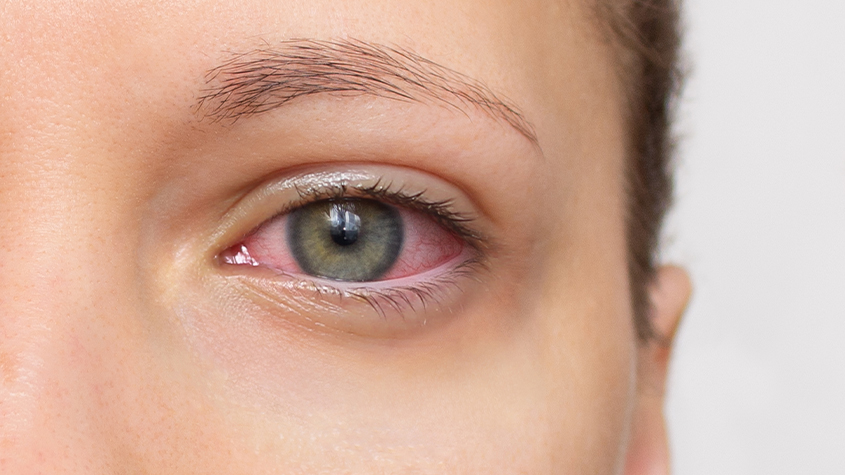
Are there options for treatment if you are suffering from Dry Eye? The Schepens Eye Research Institute at Harvard University estimates that in the United States there are almost 40 Million Americans with Dry Eye Disease. Up to 6 Million women have moderate to severe dry eye. While 3 Million men have moderate to severe dry eye and up to 30 Million people suffer with mild Dry Eye Disease.
Dry Eye Disease is a disease that is multifactorial; it is a disease of the ocular surface characterized by a loss of homeostasis of the tear film. It is also accompanied by ocular symptoms, in which tear film instability and hyperosmolarity, inflammation and damage of the ocular surface, and neurosensory abnormalities play etiological roles. It is often referred to as an ocular surface disease, or dry eye syndrome, or keratoconjunctivitis sicca. Dry Eye is quite often associated with blepharitis as well as Meibomian gland disease. It affects approximately 20% of the population.
Chronic dry eyes that are left untreated will increase in discomfort; possibly have reduced corneal sensitivity, become susceptible to serious ocular infections and cause permanent vision damage. One change that occurs in Dry Eye is a reduction in the number of conjunctival goblet cells. The conjunctival goblet cells secrete mucins which help maintain hydration on the ocular surface; they secrete more than three thousand types of cells. They contain vesicles which lubricate the eye by releasing water into your tears for tear film. Mucin has mucinous (slippery) properties between cornea and eyelids as it is the most slippery substance in the human body. This helps reduce friction when we blink; one reason why dry eyes are so uncomfortable.
Dry eye is a chronic, progressive disease that requires proper, prompt attention to solve the problem and reduce or eliminate its complications. The medications and treatments must be targeted at the following:
Reducing inflammation caused by tear hyperosmolarity.
Reducing tear osmolarity.
Treating any eyelid margin diseases such as blepharitis or Meibomian gland disease.
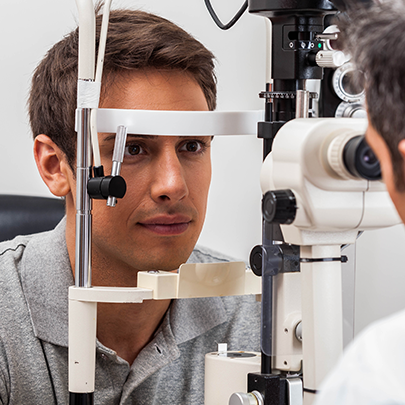
To start with, let’s look closer at reducing inflammation caused by tear hyperosmolarity; your Optometrist may be able to recommend prescription eye drops or ointments, warm compresses and lid massage, or eyelid cleaners to help decrease inflammation around the surface of the eyes.

All Eye
Care Services

Keep
In Touch
Ophthalmologist vs.
Optometrist

Powered by
